

In the western United States, lizards are most often thought of as desert species that live among the rocks. While that is true in many cases, there are also a few species that enjoy hanging out in more lush, arboreal habitat, especially in the East. Regardless of where they live, these reptiles all have been endowed with special features by their Creator!
Let’s begin learning about some lizards that can be found in the West:
Western Fence Lizard
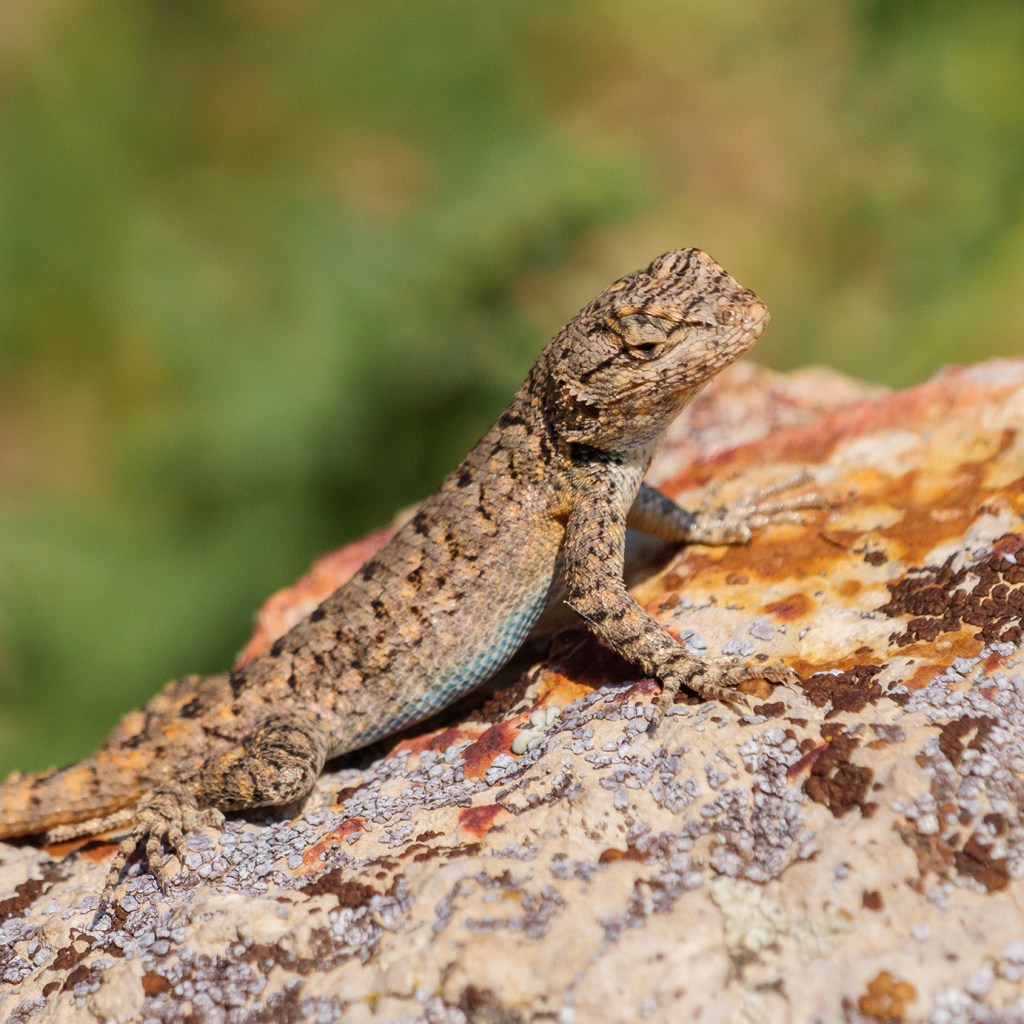
As its name suggests, the Western Fence Lizard is found only in the western United States. They can be found in many different places, including forests, deserts, and rocky areas. One remarkable feature of this lizard is the fact that it has a third “eye” on the top of its head! This isn’t a typical eye, since the lizard is not able to see out of it, but researchers do think that this “eye” is sensitive to light and may assist the lizard with detecting changes in daylight throughout the year. This ability may help the Western Fence Lizard to know when to enter brumation (its period of inactivity during the winter). How amazing is it that the Lord has given His creation a sort of internal calendar!
Desert Collared Lizard
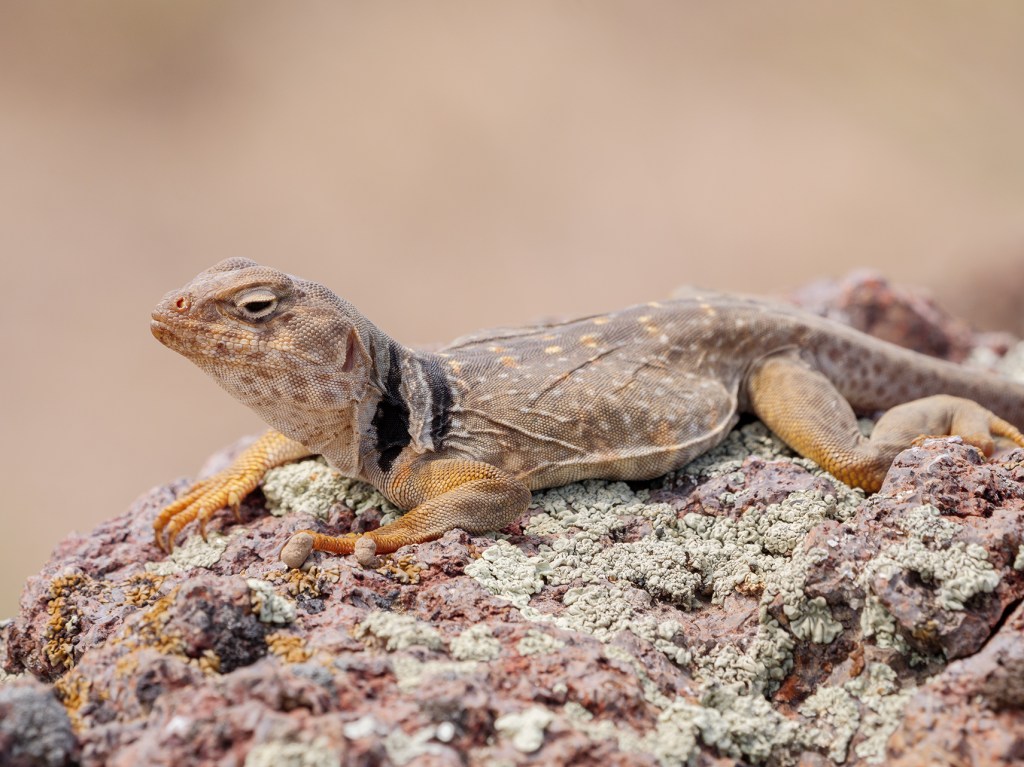
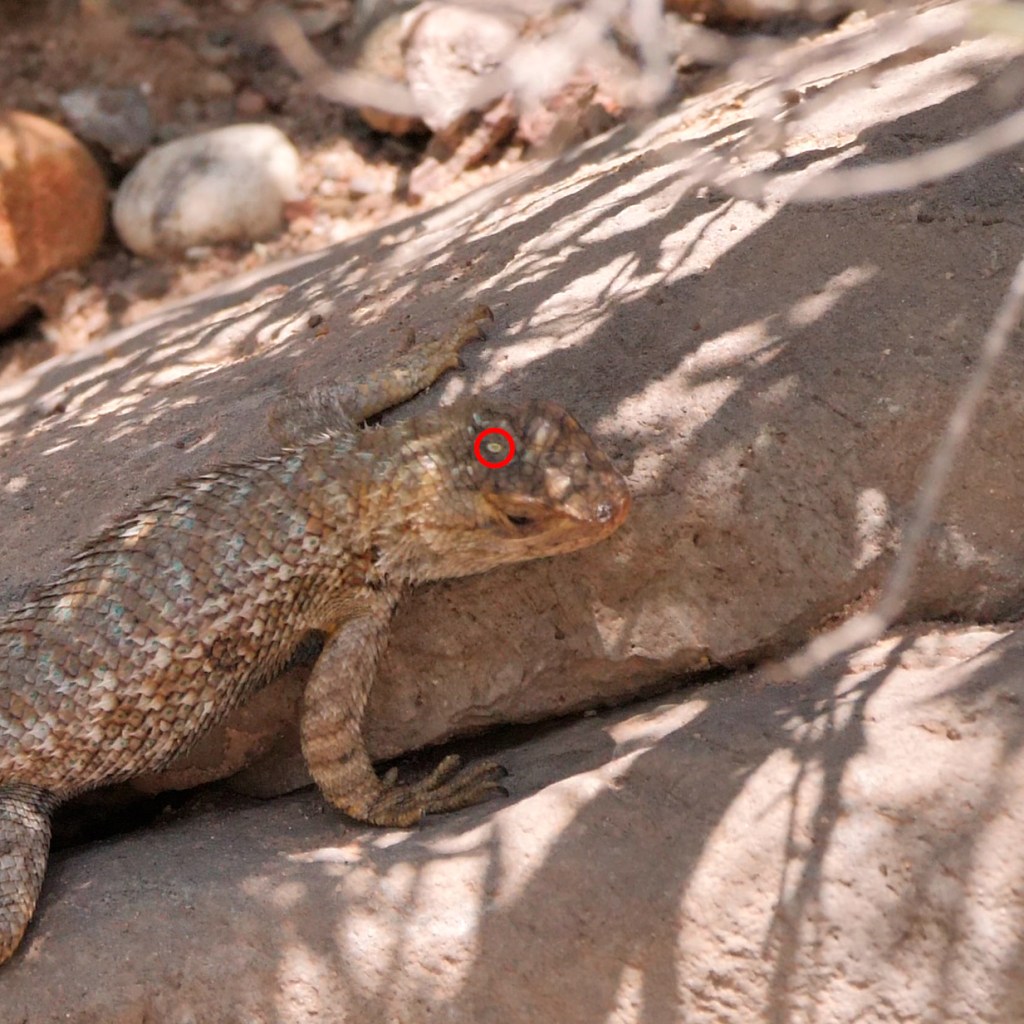
The Desert Collared Lizard is one of few lizards that is able to run on only its hind legs for short periods of time at speeds of up to 16 miles per hour! Because it is able to quickly run away from most threats, the collared lizard is unable to regrow its tail if it were to lose it, unlike most of the other lizards mentioned here. The Desert Collared Lizard also has large jaws that enable it to eat a wide variety of meals, including other lizards. This fact is unfortunate, but we must remember that we live in a fallen and cursed world because of Adam’s sin (Genesis 3:17). But, we get to look forward to the day when the Lord Jesus removes death and suffering on the New Earth!
“He will wipe away every tear from their eyes, and death shall be no more, neither shall there be mourning, nor crying, nor pain anymore, for the former things have passed away.”
Desert Horned Lizard
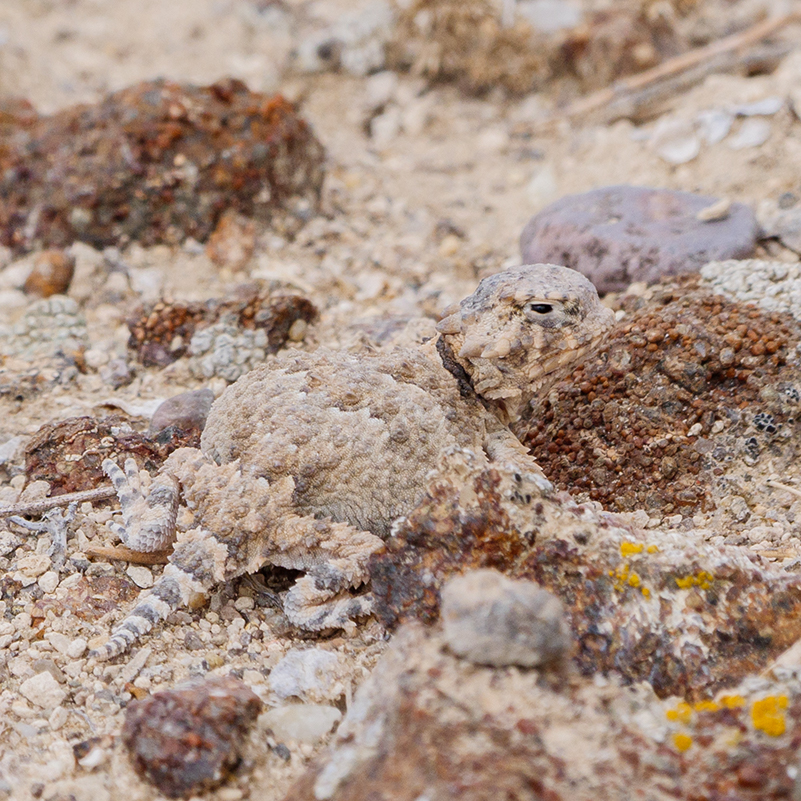
An expert at camouflage, the Desert Horned Lizard loves sandy areas where it can partially burrow into the soil to wait for a hapless ant to wander by.
Watch this excerpt from the Owyhee Summer nature documentary to learn more about this lizard:
Now, we will take a look at a couple of Eastern lizard species:
Eastern Fence Lizard
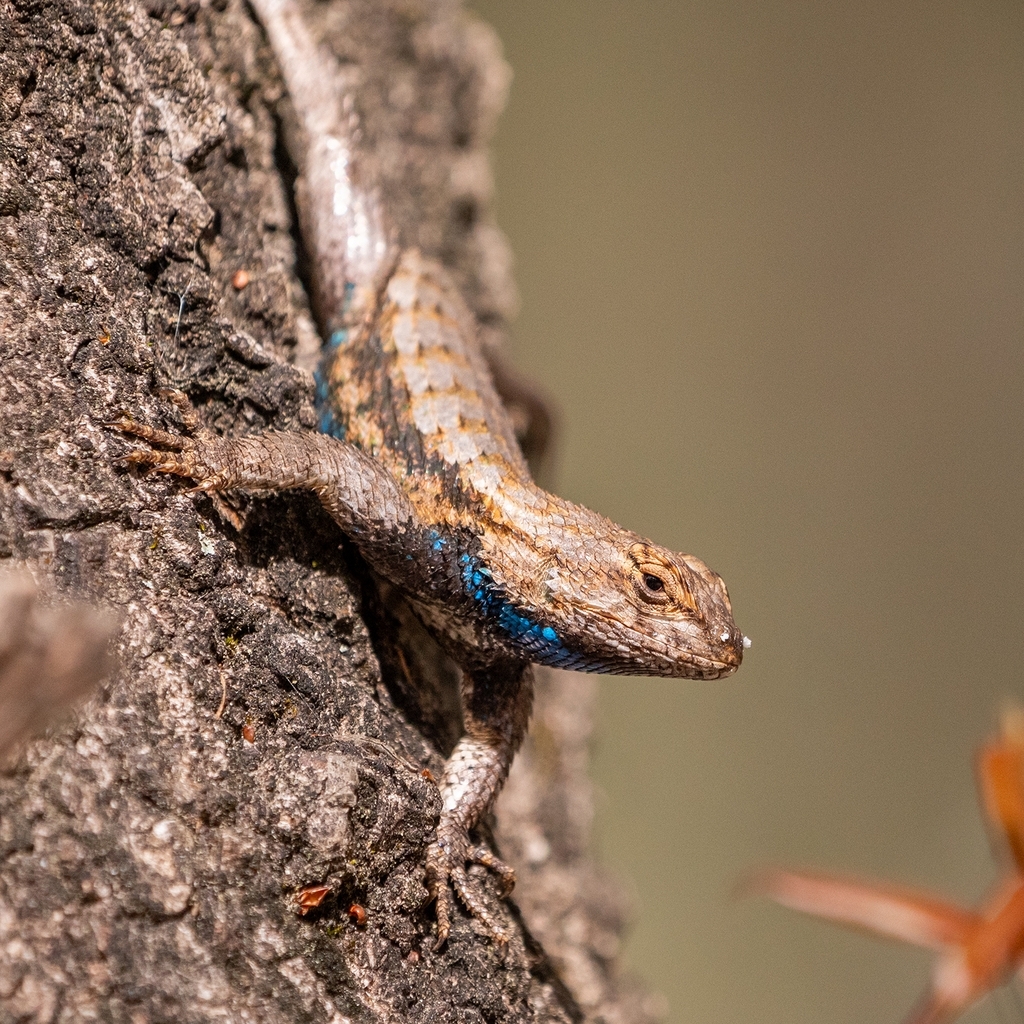
There are far more trees in the eastern United States than in the West, so it is no surprise that the Eastern Fence Lizard can be readily found near forests! This lizard consumes a variety of invertebrates, but one of its favorite meals are ants. If danger approaches, the fence lizard can scurry up the trunk of a tree and make a successful escape. Male Eastern Fence Lizards have extensive blue and black coloration on their throats and bellies, while the females are less ornately colored. The males often show off their blue hues while doing “pushups” to display for a mate or to defend their territory.
Green Anole
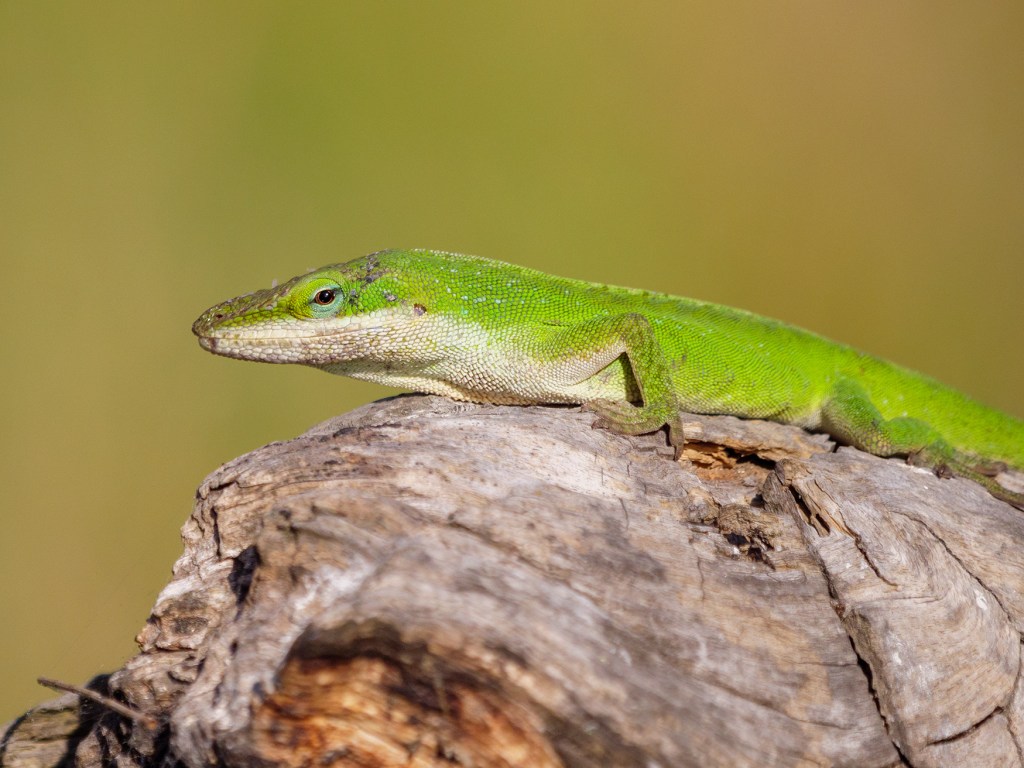
Also known as the Carolina Anole, this species of lizard is found throughout the southeastern United States, and also around San Diego, California. Their preferred habitat contains a lot of trees and greenery, so the forests of the East fit the bill! Interestingly, these lizards are able to change their color from green to brown depending on a number of factors, like how they are feeling. They also have specialized toes that help them as they scale trees or other structures. Male Green Anoles have a pinkish-orange dewlap that extends from below their throat when they are displaying for females or fighting off other males.
The western lizards definitely spend more of their time around rocks, while the eastern lizards prefer hanging out in the trees. The Lord has designed each habitat and its inhabitants so that they thrive together.
“The trees of the Lord are watered abundantly,
the cedars of Lebanon that he planted.
In them the birds build their nests;
the stork has her home in the fir trees.
The high mountains are for the wild goats;
the rocks are a refuge for the rock badgers.”
Psalm 104:16-18 ESV (emphasis added)



Leave a reply to CL Cancel reply